
Why These Two Systems Exist
Electric and hydronic systems both accomplish the same task: heating floors and outdoor surfaces. Electric heating, however, converts electricity into heat directly where it is needed. The cable itself is the heat source, so no fluid is needed to transport heat. Hydronic heating, on the other hand, generates heat at a central source and transfers it through fluid to the area being heated. It uses the long-established method of circulating heated water to distribute warmth.
Quick Comparison Guide: Electric Vs. Hydronic Heating
| Electric | Hydronic | |
|---|---|---|
| Heating Element | Cables/Mats | PEX Tubing |
| Heat Source | Electricity | Heated Fluid (typically heated by natural gas, propane, or electricity) |
| Equipment | Sensors, Controls, Thermostats | Boiler, Pumps, Manifolds, Controls, Thermostats |
| Space Used | Minimal | Large (dedicated space for boiler needed) |
| Maintenance Required | Minimal | Periodic |
| Response Time | Fast | Slower |
| Installation Complexity | Low | High |
| Initial Cost | Standard | Higher (due to system components) |
Heat Exactly Where it is Needed
Electric heat can be used for snow melting, roof deicing, and indoor floor heating. It can be installed beneath major flooring types and outdoor surfaces, as well as on roofs. Depending on the surface and roof type, retrofit options are also possible.
-
Limited Equipment
Electric heating systems require the heating product, sensors, controls, thermostats, and small control boxes.
-
Space Efficient
Minimal space is required to install electric heating. Indoor systems typically add little height to the floor assembly, while outdoor systems are embedded beneath the finished surface.
-
Maintenance
Electric systems require little routine maintenance once installed. The heating elements remain protected beneath the finished surface, while the controls and thermostats remain accessible.
-
Cost
With a lower upfront cost and considerably lower cost thereafter, electric heating is the economical option.
Every project is different. Our experts design yours with you.
Snow melting, roof deicing, and floor heating: tell us about your project and we’ll recommend the right system for your needs.
Long-Established Technology
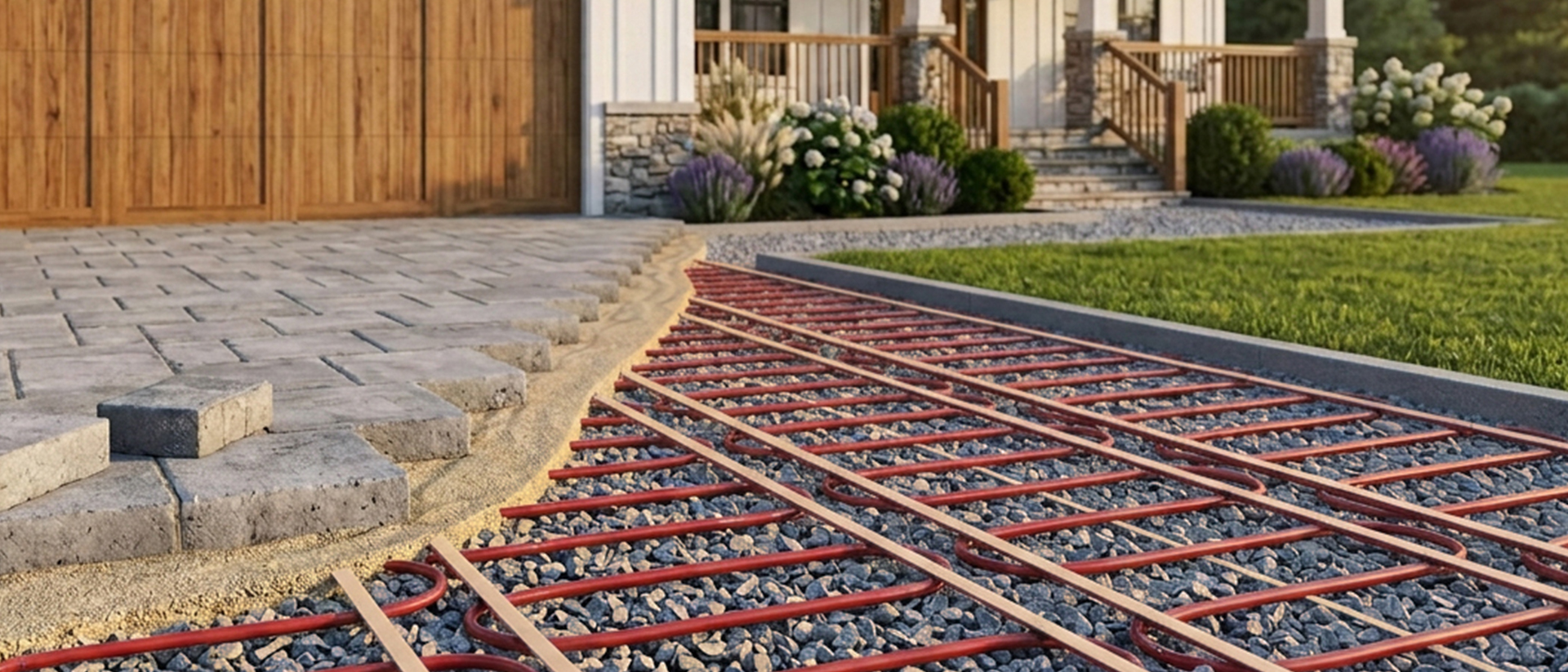
Hydronic heating is a tried-and-true heating method that has been used for generations. While its components and controls have evolved, the basic principle of circulating heated fluid remains the same.
-
Equipment
Hydronic systems require additional mechanical equipment, including a boiler, pumps, manifolds, valves, and controls to heat and circulate the fluid throughout the system.
-
Space Required
Hydronic systems require dedicated space for mechanical equipment, such as the boiler, pumps, manifolds, and other supporting components.
-
Maintenance
Hydronic systems require periodic maintenance to keep the mechanical equipment and circulating fluid operating properly. This can include inspecting pumps, valves, and the heat source, checking fluid levels and pressure, and maintaining the water-glycol mixture when applicable.
-
Cost
Hydronic systems typically have a higher upfront cost due to the additional equipment, labor, and installation requirements, but can offer operating-cost advantages for larger applications depending on the system’s heat source and energy costs.
Every project is different. Our experts design yours with you.
Snow melting or floor heating—tell us about your project and we’ll recommend the right system.
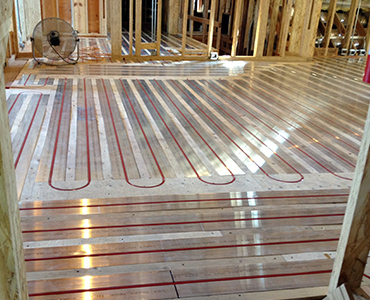
Hydronic heating requires more equipment, space, and maintenance than electric heating. Installation is also typically more complex and expensive because the system requires tubing, a heat source, pumps, manifolds, valves, and other mechanical components.
Electric underfloor heating requires sufficient electrical capacity and can have higher operating costs in some applications, particularly when heating very large areas. Because the heating elements are installed beneath the finished floor, repairs can also be more involved if the cable is ever damaged.
The embedded PEX tubing in a hydronic system can last 50 years or more, while mechanical components generally have shorter service lives. Pumps, valves, controls, and the boiler or other heat source may require maintenance or replacement during the life of the system.
Both systems can be used in retrofit projects, but the available installation options depend on the existing surface and structure. Electric systems generally offer more retrofit flexibility because the heating elements are thinner and require less supporting equipment, while hydronic installations may require more space and modification to accommodate the tubing and mechanical components.
FAQs: Your electric vs. hydronic heating questions answered
The most common questions we get from customer deciding between electric vs. hydronic heating. More questions? Please contact our team.
More Questions About Electric Vs. Hydronic Heating?
We can help you decide between electric vs. hydronic heating. Contact us today!